A Beloved Subject for Plein Air Painting
Watercolor Painting at Kuerner Farm
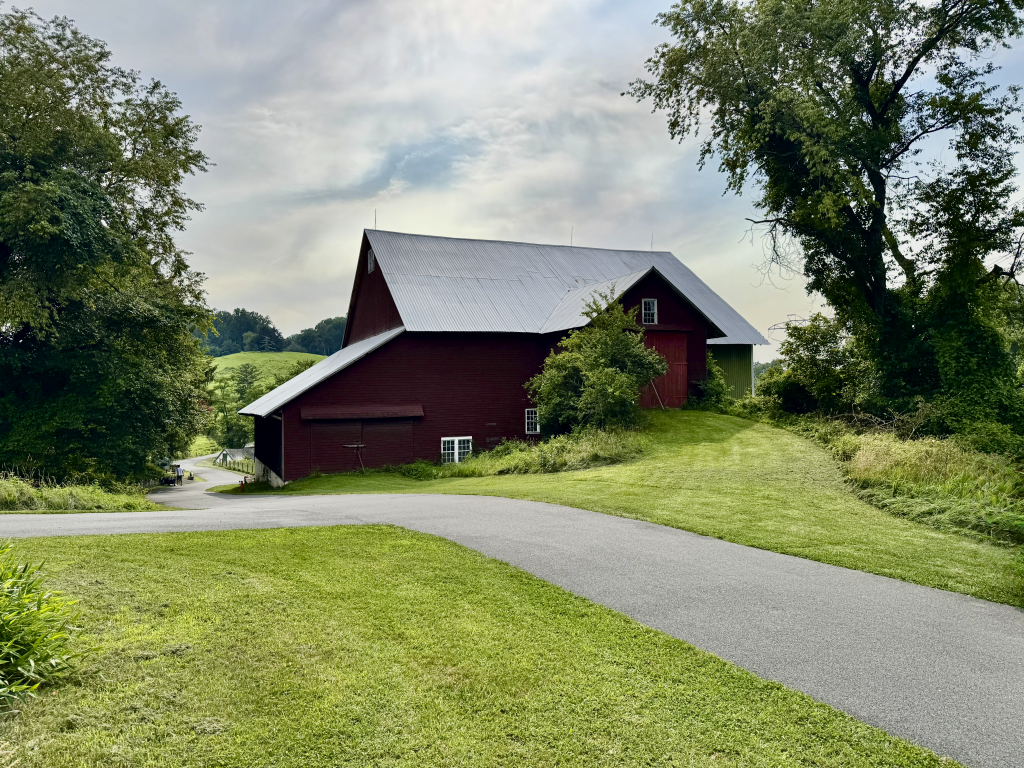
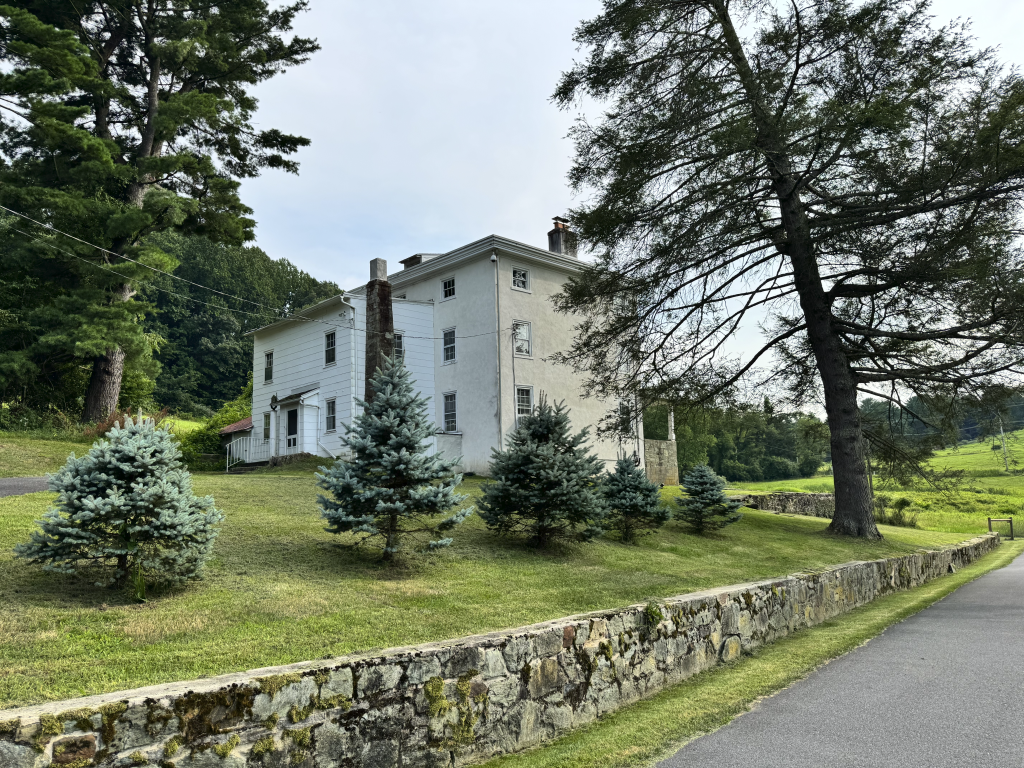
Kuerner Farm, located in Chadds Ford, Pennsylvania, is one of the most important landscapes in the artistic history of the Brandywine Valley. The farm became internationally known through the work of American realist painter Andrew Wyeth, who discovered the property as a teenager and began painting it in 1933. Over the next seven decades, Wyeth returned to the farm repeatedly, creating nearly 1,000 paintings, drawings, and studies inspired by its buildings, fields, animals, and residents. Brandywine Museum of Art: Kuerner Farm
The property includes an early nineteenth-century farmhouse, a distinctive red barn, outbuildings, fields, and gently rolling terrain characteristic of the Brandywine Valley. These elements provided Wyeth with an extraordinary range of subjects. Rather than continually searching for unfamiliar scenery, he found endless possibilities in a single, deeply familiar place. Changes in weather, season, light, and atmosphere allowed him to reinterpret the farm again and again. Reynolda House Museum of American Art: Andrew Wyeth at Kuerner Farm—The Eye of the Earth
Why Kuerner Farm Appeals to Plein Air Painters
Kuerner Farm remains a favorite subject for plein air painters—artists who work outdoors directly in front of the landscape. Its appeal comes from several qualities:
- A variety of subjects: Artists can paint the farmhouse, red barn, fences, trees, fields, hills, and surrounding Brandywine Valley landscape.
- Changing natural light: The appearance of the property shifts throughout the day and across the seasons, offering different colors, shadows, and moods.
- A strong sense of place: The farm’s preserved rural character connects contemporary artists with the landscape that inspired Wyeth and helped define American realism.
- Historical and artistic significance: Painting at or near Kuerner Farm provides an opportunity to engage with one of the most influential artistic locations in the region.
- Room for personal interpretation: Although Wyeth’s work is inseparable from the farm’s history, every plein air painter can respond to the landscape in an individual way.
For Wyeth, Kuerner Farm was far more than a picturesque rural property. It was a lifelong source of creative discovery. The people who lived there, the animals, the architecture, and the surrounding land became recurring subjects through which he explored memory, solitude, movement, and the passage of time. His sustained attention demonstrates how much visual and emotional richness can be found in one familiar landscape. The Philadelphia Inquirer: “Andrew Wyeth drew Chadds Ford’s Kuerner Farm…”
Today, Kuerner Farm continues to attract artists and art lovers who want to experience the setting that shaped so much of Wyeth’s career. For plein air painters, the farm offers not only compelling scenery but also a meaningful connection to artistic tradition. Standing before its fields, farmhouse, or red barn, artists can observe the same changing landscape that inspired Wyeth while creating their own interpretation of Chadds Ford’s enduring beauty.
Visitor note: Kuerner Farm is a historic property stewarded by the Brandywine Museum of Art. Visitors should consult the museum’s official website for current access information, tours, and visiting guidelines: Brandywine Museum of Art—Historic Artists’ Studios.
Paining the Barn
I chose the large red barn on the property as my subject. Since this is my first attempt at Plain Air Painting – I wanted something simple so I can become acclimated to this form of painting. I have painted in my basement makeshift studio for several years but decided to give this a try when I found out about the Brandywine Museum event